Here's a truth that will save you hundreds of hours: Never optimize a process you haven't mapped.
It sounds obvious, but it's the most common mistake in process improvement. Teams jump straight to solutions — buying new software, adding headcount, implementing automation — without first understanding what's actually happening.
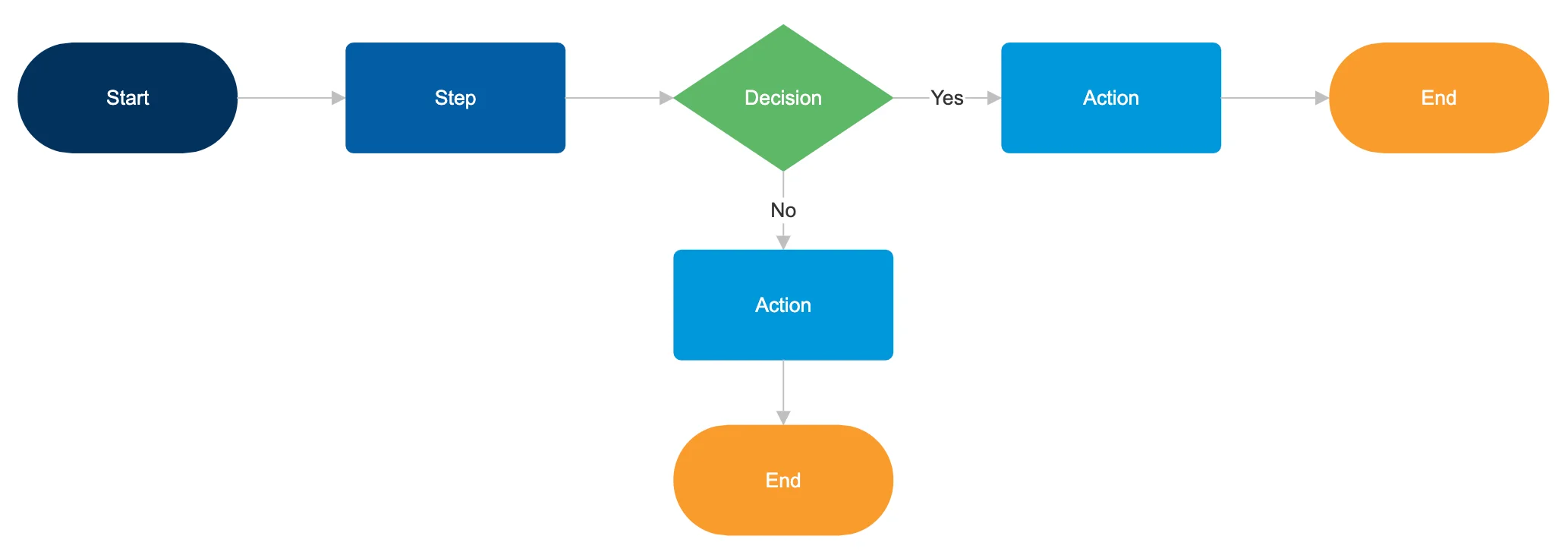
Why Mapping Comes First
When you skip mapping, you're essentially performing surgery blindfolded. You might fix one symptom while creating three new problems downstream.
A proper process map reveals:
- The real sequence of events (not what the SOP says, but what actually happens)
- Decision points where work branches or loops
- Handoffs between people, departments, or systems
- Wait times that are invisible in daily operations
- Rework loops that drain productivity
The 15-Minute Exercise
Before your next improvement initiative, try this:
- Gather 3-5 people who actually do the work (not just managers)
- Give everyone sticky notes and markers
- Ask: "Walk me through what happens from [start trigger] to [end result]"
- Map it on a whiteboard — every step, every decision, every wait
You'll be amazed at the disagreements. "Wait, that's not how we do it!" is the most valuable thing you can hear. It means you've found a variation that's costing you money.
The Simulation Advantage
Static maps are good. Dynamic simulations are better.
Once you've mapped your process, the next level is asking "what if?" questions:
- What if volume increases 30%?
- What if we remove this approval step?
- What if we cross-train these roles?
This is where static maps hit their limit — and where simulation software shines.
Today's Action: Pick one process that's been frustrating you. Spend 15 minutes mapping it with your team. I guarantee you'll discover something you didn't know.
Want to take your process maps further? ProcessModel transforms static diagrams into dynamic simulations that predict how changes will perform before you implement them.